
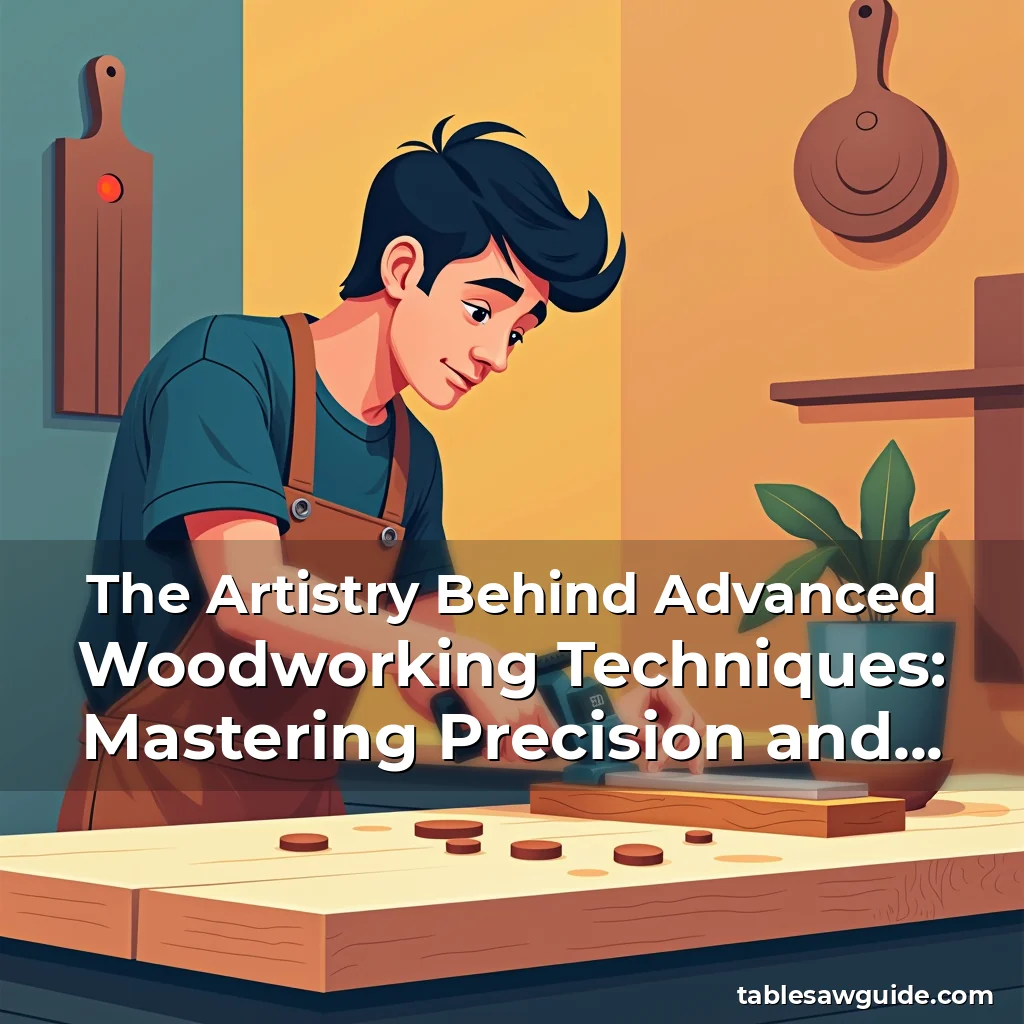
The Artistry Behind Advanced Woodworking Techniques: Mastering Precision and Craftsmanship
In the world of woodworking, advancing beyond basic skills opens up a realm of creative possibilities and professional-level craftsmanship. Whether you’re building intricate furniture pieces or custom cabinetry, mastering advanced techniques can transform your projects from good to exceptional.
This guide delves deep into sophisticated methods that elevate woodwork quality while enhancing efficiency. From precision joinery to specialized tool usage, these techniques are essential for any serious craftsman looking to refine their skillset.
Mastering Precision Joinery Methods
Precision joinery forms the backbone of high-quality woodworking projects. When executed correctly, joints not only enhance structural integrity but also contribute significantly to aesthetics.
Tongue-and-groove joints offer an excellent example of how precise cuts can create seamless connections between boards. These joints distribute stress evenly across surfaces, making them ideal for flooring applications or panel assemblies where flatness is critical.
Dado joints provide another powerful technique when constructing shelves or cabinets. By cutting grooves along one board’s edge while matching slots on another piece, dado joints ensure strong vertical support without relying solely on screws or nails.
- Lap Joints: Used extensively in frame construction, lap joints overlap two pieces at right angles before securing them together using glue or fasteners. This method provides robust strength especially useful in creating sturdy frames for picture frames or decorative elements.
- Mitered Corners: Ideal for trim work around windowsills or doorframes, mitered corners require accurate 45-degree angle cuts ensuring clean lines free from visible gaps or misalignment issues after assembly.
Each type of joint has its own set advantages depending upon project requirements; understanding which ones suit particular tasks best ensures optimal results every time.
Advanced Router Techniques for Decorative Elements
Routers have become indispensable tools among experienced woodworkers due to their versatility in shaping edges and adding ornamental features onto wooden objects. With proper setup and technique mastery, routers enable creation of elaborate designs previously thought unattainable by hand alone.
One popular application involves using pattern bits attached securely within router collets. These specially designed cutters allow users to reproduce complex shapes repeatedly with minimal effort, perfect for crafting moldings or raised panels found commonly in traditional furniture styles such as Queen Anne or Chippendale.
Carving profiles through careful adjustment settings further expands what can be achieved with a router. Adjustments made to depth control levers determine final profile height whereas bearing guides help maintain consistent width during operation—both factors crucial towards achieving symmetrical outcomes each time.
It’s worth noting that safety precautions must always accompany advanced routing operations since improper handling could lead disastrous consequences including injury risk or damage to both material being worked upon as well as equipment itself.
Investment in high-quality jigs specifically tailored toward specific types of routing tasks proves invaluable over time reducing errors associated manual measurements thereby increasing overall productivity levels substantially.
Enhancing Surface Finishes Through Sanding & Polishing
Achieving flawless surface finishes requires attention-to-detail beginning even before actual sanding commences. Preparing raw lumber properly lays foundation upon which subsequent refinement steps build successfully.
Sanding progressively starts with coarse grits moving gradually towards finer particles allowing removal rough textures until smoothness becomes evident visually inspecting under adequate lighting conditions. Coarser grades remove larger imperfections quickly whereas fine sands achieve desired level polish required prior applying coatings later stages.
Polishing compounds come next once initial smoothing process complete offering additional shine depending upon desired outcome ranging anywhere from matte sheen preferred some modern interiors through glossy effects often seen classic antique reproductions alike.
Applying sealants judiciously following correct procedure prevents warping caused moisture exposure while preserving natural grain patterns intact thereby maintaining long-lasting beauty without compromising durability characteristics inherent original timber sources utilized initially.
Utilizing CNC Technology For Custom Fabrication Needs
CNC machines represent significant leap forward regarding automation capabilities available today enabling execution highly complex geometries otherwise difficult manually producing consistently repeatable components efficiently saving substantial amounts labor hours compared conventional approaches traditionally employed earlier periods.
These computer-controlled systems operate based digital blueprints uploaded software interfaces allowing operators specify exact dimensions tolerances needed resulting parts produced accurately according specifications provided regardless complexity involved shape form defined CAD models used guiding fabrication processes undertaken automatically machine heads guided laser-guidance mechanisms integrated system architecture.
Although upfront costs associated acquiring fully functional CNC unit considerable investment required justify expenses considering benefits gained increased production volumes reduced waste generation due enhanced accuracy achievable via automated machining procedures versus traditional manual alternatives currently still widely practiced many workshops globally.
However potential drawbacks include limited flexibility adapting sudden design changes mid-project unless reprogramming occurs which might delay timelines unexpectedly affecting schedule adherence commitments already established client expectations beforehand.
Custom Furniture Assembly Using Traditional Joinery Styles
Traditional joinery styles continue thriving despite technological advancements because they inherently possess intrinsic value stemming historical significance combined functionality aesthetics seamlessly merged single entity forming cohesive whole greater than sum individual parts comprising structure assembled ultimately.
Amongst most revered techniques mortise tenon remains timeless favorite amongst master craftsmen worldwide owing simplicity elegance simultaneously providing formidable holding power whenever implemented correctly executed meticulously ensuring longevity products created employing said methodology persistently withstand test times unfazed environmental fluctuations encountered naturally occurring phenomena throughout lifespan possession owners cherish dearly.
Similarly dovetail joints renowned acclaim earned decades meticulous application requiring patience dexterity executing interlocking fingers precisely align perfectly creating near-indestructible connection points typically reserved premium grade cabinetry demanding highest standards performance reliability expected elite clientele seeking bespoke solutions exclusive market niche catering discerning tastes appreciating artisanal excellence synonymous handcrafted goods rather mass-produced commodities readily accessible common consumer base.
Learning these ancient yet enduring practices equips contemporary artisans connect deeply rooted traditions present day innovations harmoniously blending past future continuously evolving field carpentry arts perpetually enriched cultural heritage passed down generations devoted pursuit perfection through dedicated practice honing refined abilities distinguishing true professionals amateurs merely dabbling hobbies transient nature casual interest lacking commitment necessary sustaining growth expertise required reaching mastery status acknowledged peers industry authorities alike.
Refining Skills Through Specialty Tool Usage
Specialty tools play pivotal role elevating standard woodworking endeavors transforming routine activities exceptional experiences characterized heightened engagement satisfaction derived successful completion challenging tasks once deemed insurmountable obstacles hindering progress aspiring craftsmen eager expand horizons proficiency levels.
Chisels serve fundamental function carving intricate details shaping contours defining character distinctiveness distinguishing superior worksmanship ordinary efforts lacking finesse subtlety nuances embedded within microscopic intricacies captured magnified inspection close scrutiny revealing depth artistry invested creation.
Bow saws excel particularly when dealing curved cuts necessitating flexibility movement accommodating irregularities found natural materials requiring adaptability responsiveness adjustments real-time ensuring precision alignment maintained throughout entire duration cutting operation irrespective difficulty posed by uneven surfaces encountered regularly outdoor projects landscape modifications involving tree limbs branches needing careful dismemberment without damaging surrounding areas unnecessarily compromised.
Furthermore, utilizing specialty clamps enhances stability during various phases construction process preventing unwanted shifts displacements jeopardizing integrity carefully crafted assemblies threatened distortion deformation risks inherent absence proper fixation measures deployed prematurely rushed conclusion premature release fixtures improperly secured leading catastrophic failures undoing weeks months labor expended achieving current stage development.
Investing time learning functionalities diverse array specialized instruments broadens repertoire capabilities empowering individuals tackle ambitious undertakings previously considered beyond reach limitations imposed rudimentary toolkits insufficiently equipped handle complexities demanded higher-level engagements requiring broader spectrum technical know-how acquired thorough immersion subject matter studied exhaustively applied practically hands-on experimentation reinforcing theoretical knowledge practical experience simultaneously.
Optimizing Workspaces For Efficiency And Safety
An optimized workspace isn’t just about having enough room—it’s about designing an environment that supports both productivity and personal safety. Proper organization reduces clutter, minimizes accident risks, and streamlines workflow.
Begin by evaluating your current layout. Consider whether your primary workbench allows easy access to frequently used tools. If not, rearranging items so they’re within arm’s reach can save precious minutes during each project phase.
Ergonomic considerations shouldn’t be overlooked either. Adjustable height benches and supportive seating options reduce strain on back muscles and joints, helping prevent injuries linked repetitive motions common among woodworkers who spend extended hours hunched over their craft.
Lighting plays equally vital role influencing ability perceive subtle variations texture grain direction determining success final product appearance consistency maintained throughout entire manufacturing cycle. Natural daylight supplemented task-specific LED strips illuminate shadowy crevices better artificial counterparts incapable replicating full spectrum illumination necessary discern minute differences invisible low-intensity ambient environments prevalent poorly ventilated spaces prone accumulation dust particulates obscuring visibility impeding accuracy required executing delicate operations requiring visual acuity paramount importance.
Storage solutions tailored specifically towards storage needs eliminate wasted space maximize utility floor plan maximizing accessibility minimizing retrieval delays encountered searching misplaced implements interrupting concentration flow disrupting continuity momentum crucial completing intricate sequences sequentially without interruption distraction potentially ruining otherwise promising attempts achieving intended objectives outlined initial conception stages planning phases preceding implementation commencement.
Lastly incorporating emergency preparedness protocols establishes framework responding unforeseen circumstances swiftly mitigating damages arising emergencies such fires electrical malfunctions chemical spills threatening health wellbeing property assets held dear by those passionate pursuing profession dedicating lives refining skills cultivating talents nurturing love for woodworking transcending mere hobby becoming lifelong calling defining identity core values personhood.
Conclusion
Advanced woodworking techniques open doors to new realms of creativity and professionalism, transforming simple projects into remarkable achievements. Mastery of these methods not only improves the quality of your work but also increases your confidence and efficiency in the workshop.
To truly harness the power of advanced techniques, continuous learning and practice remain essential. Embrace challenges, experiment fearlessly, and let your curiosity drive innovation. The journey toward woodworking mastery begins now—with every cut, every join, and every finished piece.
“`

news is a contributor at TableSawGuide. We are committed to providing well-researched, accurate, and valuable content to our readers.
You May Also Like



About the Author
Leave a Comment
Share your thoughts, ask questions, or contribute to the woodworking community!